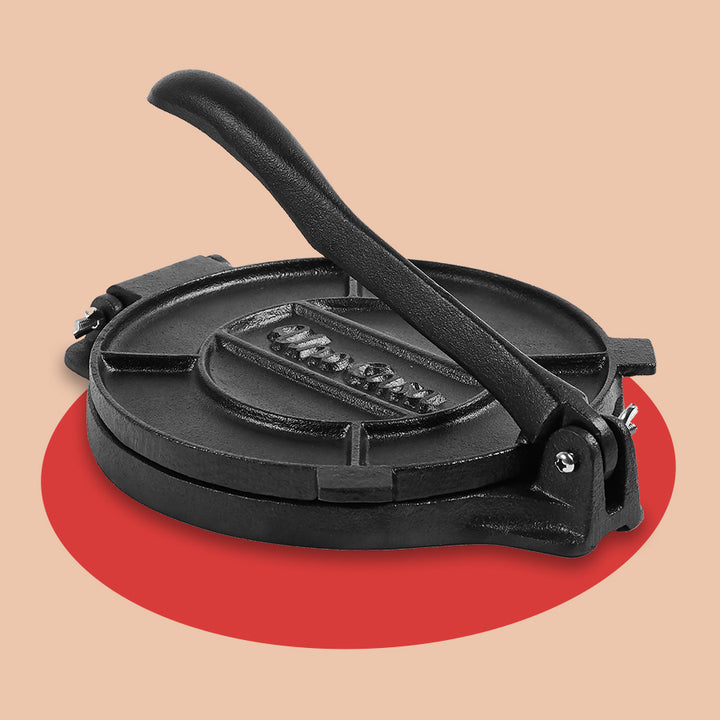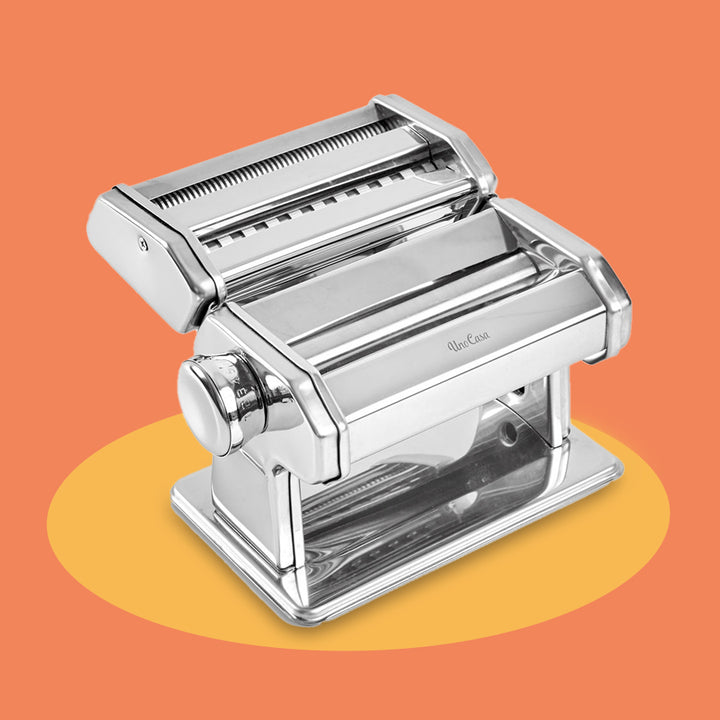

Use the code 15FAJITA at checkout on Amazon
Fall in love with fajitas!
BUY NOW!Japan operates on , which is UTC+9 . It does not observe Daylight Saving Time, meaning the time remains consistent year-round.
These movements follow strict internal standards, typically maintaining accuracy within -20 to +40 seconds per day, often performing much better in real-world conditions. 3. The Modern Punctuality Standard
This mechanical discipline seeps into human behavior. Watch the platform at Shinjuku Station at 8:15 AM. Thousands of commuters move like a flowing river. When the clock hits the scheduled arrival, the doors align with the platform markings within a margin of error measured in centimeters. To disrupt here is to cause a national inconvenience.
However, there is a secondary, equally valid definition. Within the entertainment industry—specifically live concerts and wrestling (NJPW, or New Japan Pro-Wrestling)—"Nippon Time" refers to a legendary delay. It teases the audience that an event that starts at 6:00 PM will realistically start ten minutes later. But outside of show business, is synonymous with obsessive precision.
Historically, Japan measured time via Wadokei (Japanese clocks), which varied the length of hours based on daylight. Unlike fixed European hours, Japanese hours ( futei-ji ) stretched or contracted. This created a populace highly sensitive to the passage of time relative to nature.
Each segment was assigned an animal from the Chinese zodiac. For instance, the "Hour of the Rat" marked midnight, while the "Hour of the Horse" signaled noon.