




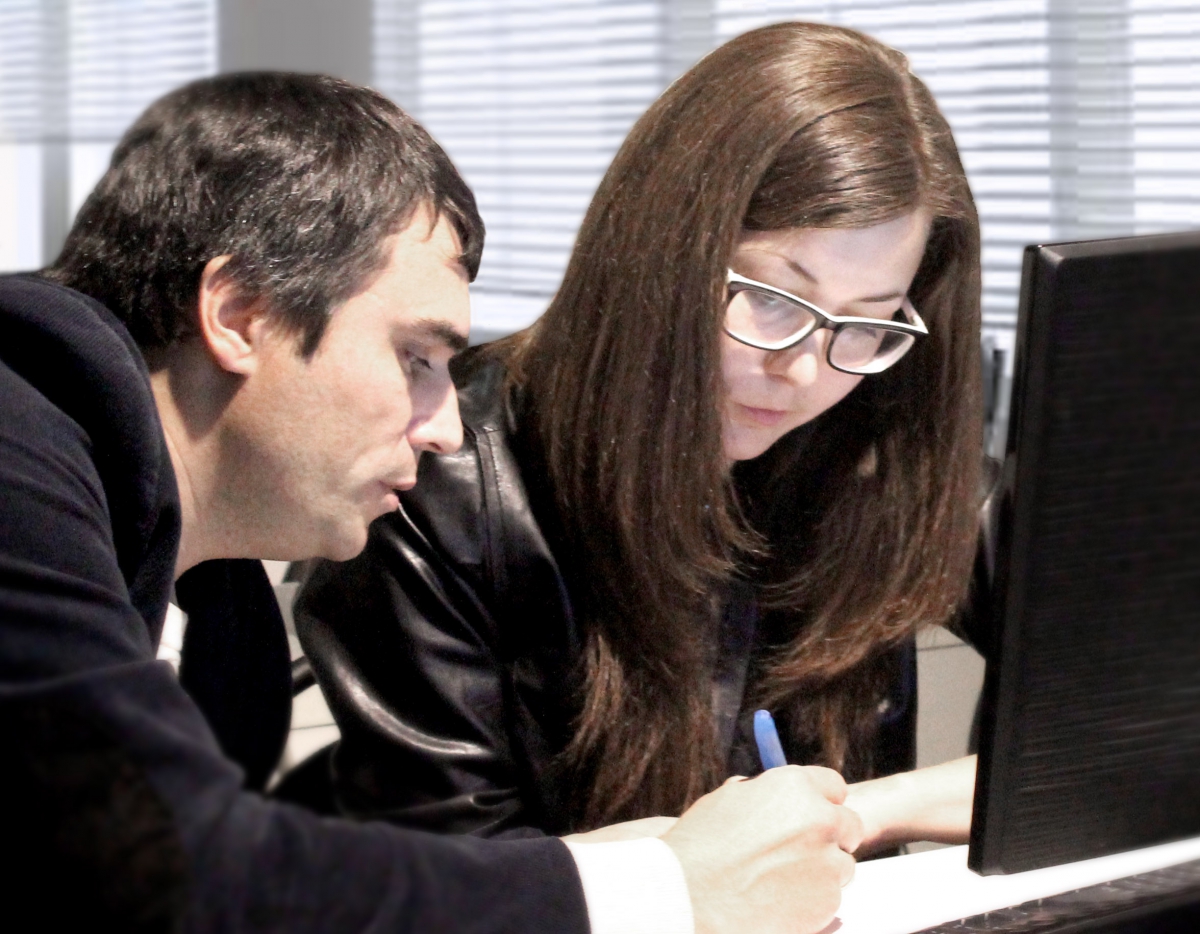
Обучение в аудитории
Москва
Sexy-beach-3-repacklab.7z Direct
This is the engine of romance. According to storytelling theorist Robert McKee, tension is not just about external obstacles (class differences, rival suitors, global pandemics), but internal obstacles.
We don’t just watch a story; we feel it. And nothing triggers empathy quite like the vulnerability of love. But what makes a romantic storyline successful? Why do some couples become cultural touchstones while others feel like forced chemistry? In this deep dive, we explore the architecture of fictional romance, the evolution of tropes, and the delicate balance between conflict and connection. Sexy-Beach-3-REPACKLAB.7z
– Distributing or downloading this file would violate copyright laws in most regions. Additionally, ILLUSION shut down in 2023, but its intellectual property rights remain with its successors. This is the engine of romance
A protagonist may save the world, but how they treat their partner reveals their moral compass. Romance acts as an accelerant for character development. It forces characters to lower their defenses. A hardened detective, a stoic warrior, or a cynical anti-hero might hide their true selves behind a mask of competence, but the introduction of a romantic interest pokes holes in that armor. And nothing triggers empathy quite like the vulnerability
Whether you are a screenwriter looking to avoid clichés, a reader searching for the next slow-burn epic, or someone trying to make sense of your own love life, understanding the anatomy of a great romantic storyline is essential. It is a dance between fantasy and reality, tension and release, individuality and union.
Все материалы, опубликованные на сайте, являются объектами авторского и имущественного права. Любое их использование должно быть
согласовано с администрацией сайта. Никакие материалы этого сайта не являются публичной офертой. ИП Четвертаков И.А. ОГРНИП 312774634100068
г. Москва, ул. Шипиловская, д. 60 | +7 (909) 933-10-00 | 3dmax-online.ru © 2012-2021
г. Москва, ул. Шипиловская, д. 60 | +7 (909) 933-10-00 | 3dmax-online.ru © 2012-2021
ПОДЕЛИТЬСЯ