Today, Sinhala relationships and romantic storylines in teledramas, movies, and novels often revolve around several recurring themes:
Traditionally, relationships began with a formal kenek athin kenek haduwa ganeema (introduction by a third party). Today, that system is collapsing.
Historically, the ideal Sinhala woman was often portrayed as a "Kula Kanthava" (a woman of virtuous lineage), characterized by modesty, obedience, and domestic prowess. In early romantic literature and folklore, love was often depicted through the lens of duty. Storylines frequently revolved around arranged marriages where love was not the starting point but a hoped-for destination.
This has given rise to a unique sub-genre of storytelling: The tension isn't whether they love each other, but whether they can find a Pay & Go lodge in Bambalapitiya that doesn't ask for a marriage certificate.
Today, Sinhala relationships and romantic storylines in teledramas, movies, and novels often revolve around several recurring themes:
Traditionally, relationships began with a formal kenek athin kenek haduwa ganeema (introduction by a third party). Today, that system is collapsing.
Historically, the ideal Sinhala woman was often portrayed as a "Kula Kanthava" (a woman of virtuous lineage), characterized by modesty, obedience, and domestic prowess. In early romantic literature and folklore, love was often depicted through the lens of duty. Storylines frequently revolved around arranged marriages where love was not the starting point but a hoped-for destination.
This has given rise to a unique sub-genre of storytelling: The tension isn't whether they love each other, but whether they can find a Pay & Go lodge in Bambalapitiya that doesn't ask for a marriage certificate.






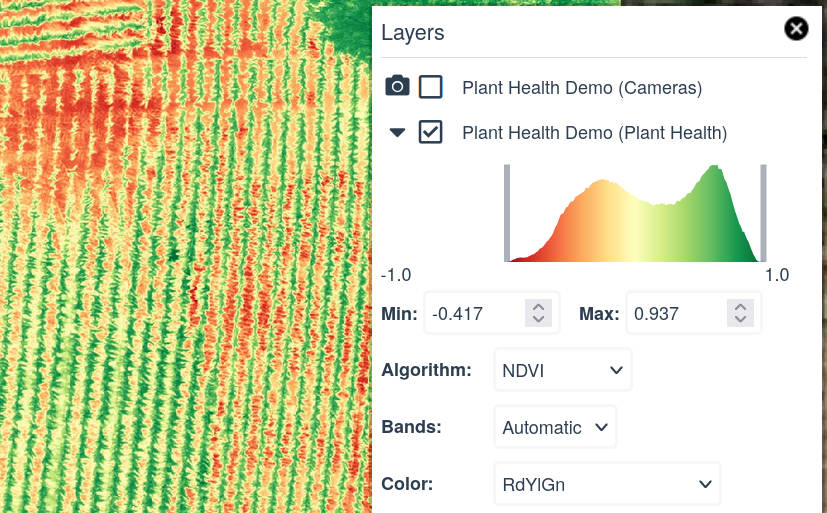
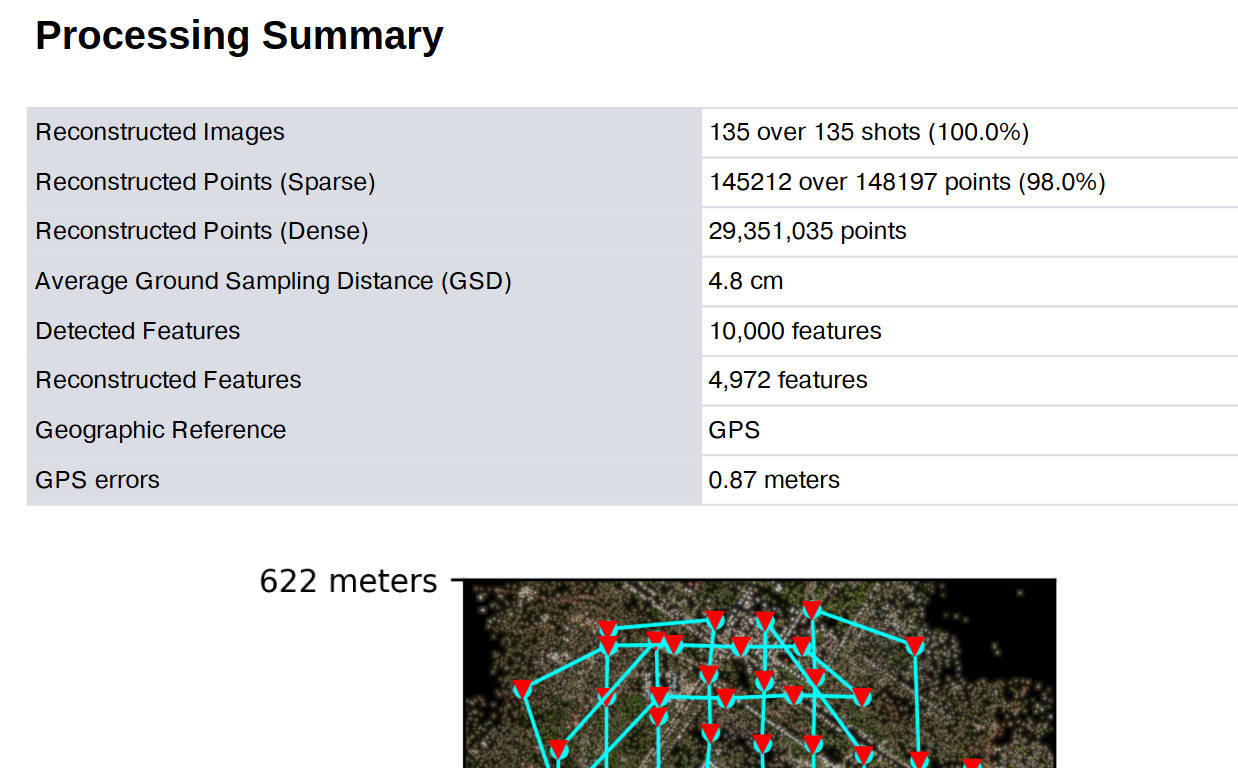
 WebODM