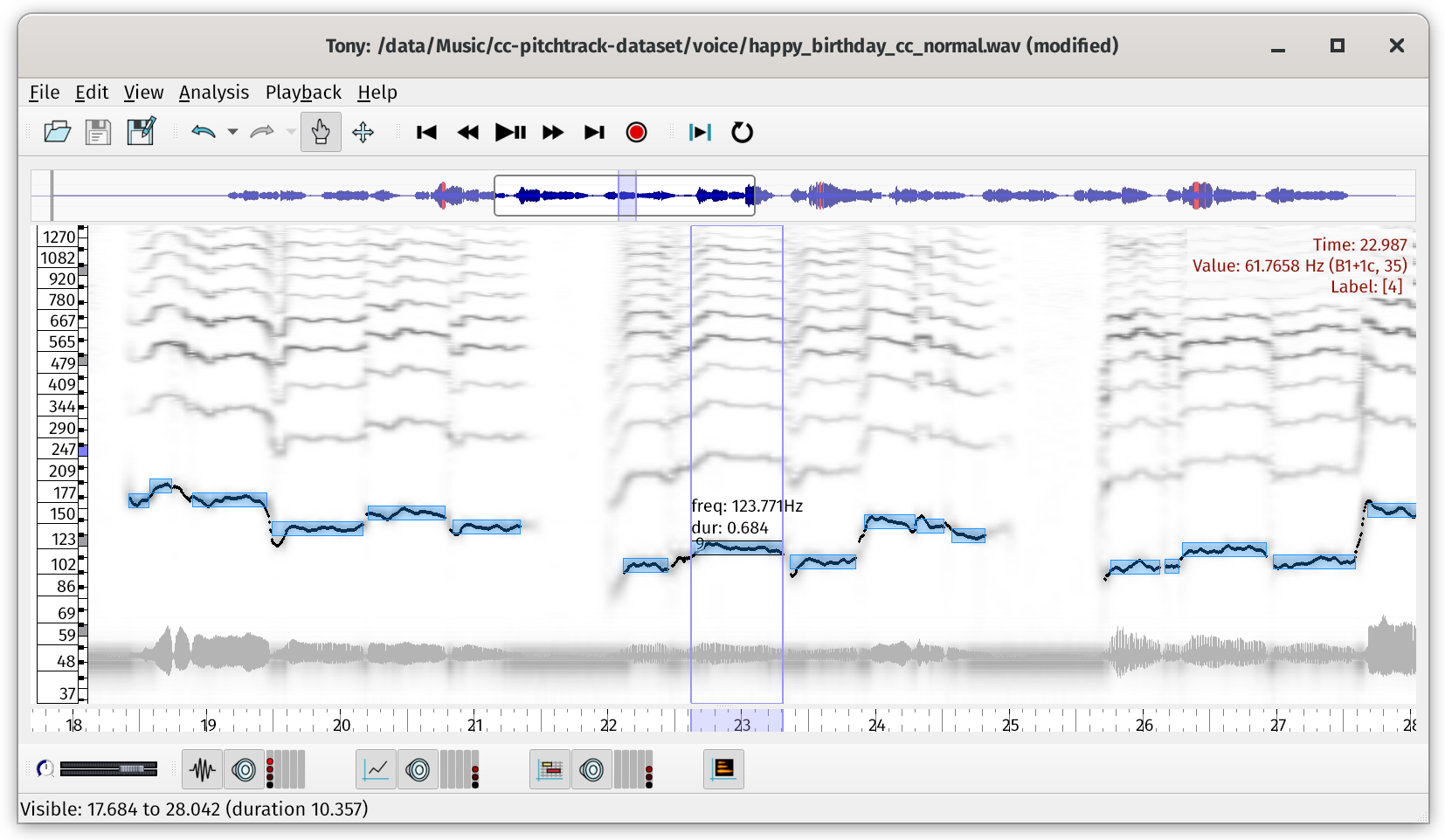
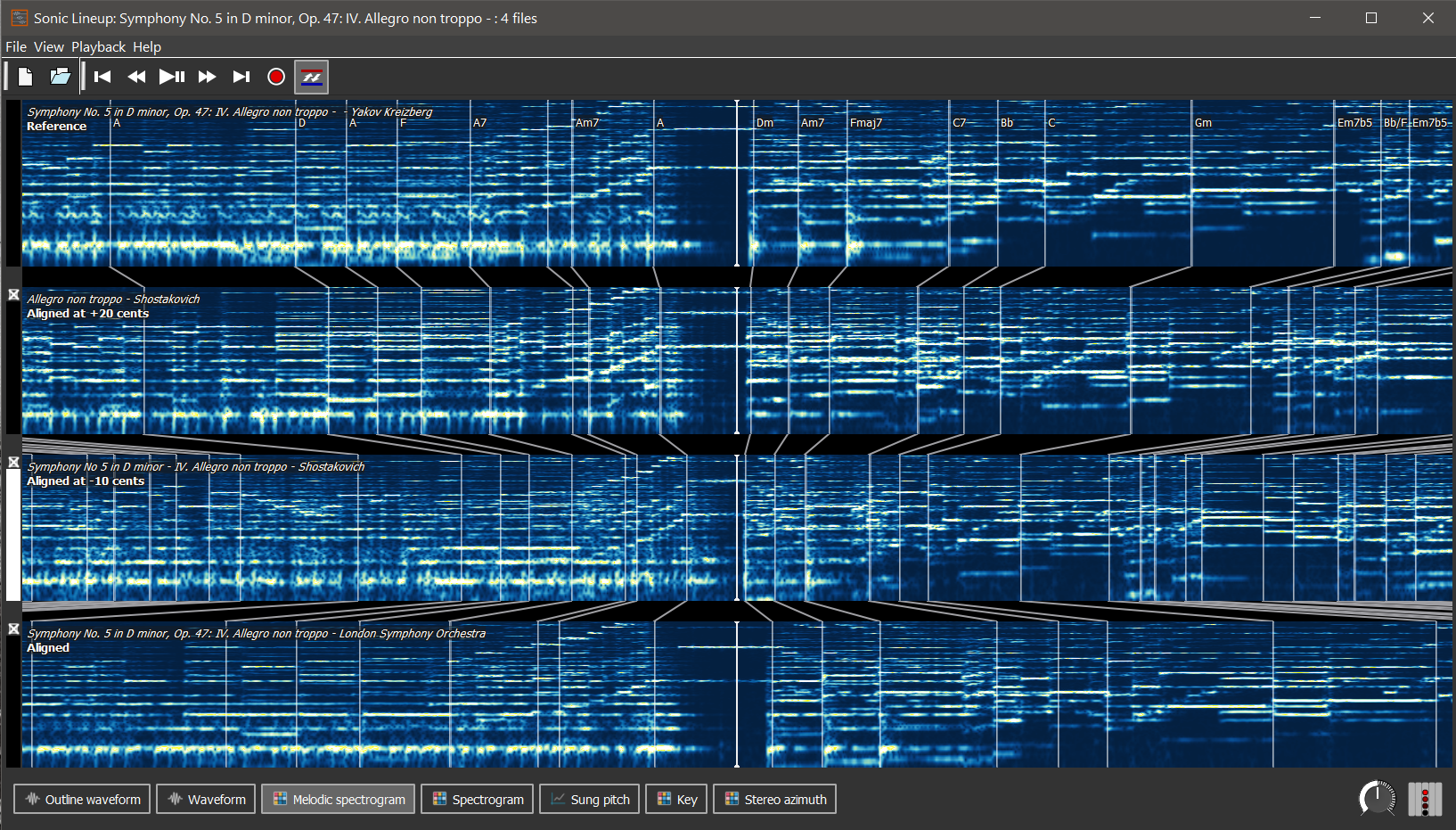
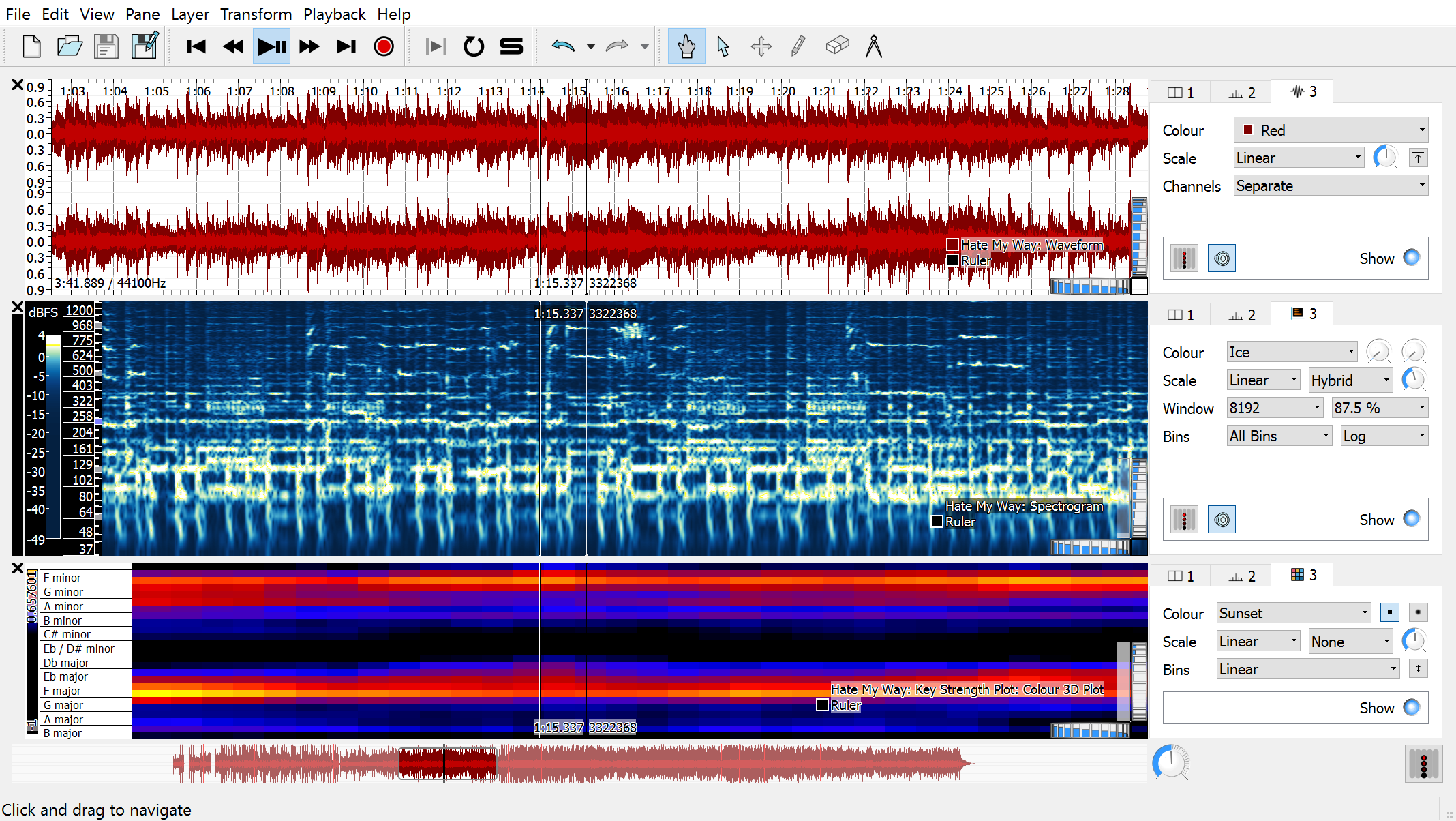
Sonic Visualiser is a free, open-source application for Windows, Linux, and Mac, designed to be the first program you reach for when want to study a music recording closely. It's designed for musicologists, archivists, signal-processing researchers, and anyone else looking for a friendly way to look at what lies inside the audio file.
Sonic Visualiser version 5.2.1 was released on 21 March 2025. Download it here!
Sonic Visualiser is one of a family of four applications:
Citations: If you are using Sonic Visualiser in research work for publication, please cite (pdf | bib) Chris Cannam, Christian Landone, and Mark Sandler, Sonic Visualiser: An Open Source Application for Viewing, Analysing, and Annotating Music Audio Files, in Proceedings of the ACM Multimedia 2010 International Conference.
To understand the artistic value of handjob drawings, one must first understand the symbolic weight of the hand itself. In art history, hands are notoriously difficult to render. Albrecht Dürer’s Praying Hands (1508) is a masterpiece of devotion not because of its religious context, but because of the tension in the tendons, the curve of the fingers, and the suggestion of desperate energy contained.
Beyond the gallery, drawing has found a profound new life as a pillar of modern lifestyle—a practice of mindfulness, identity, and personal ritual. In an age of digital saturation and passive consumption, the act of drawing with a pen on paper offers a radical counterbalance: slow, deliberate, and tactile. handjob drawings art
: Gestures—such as pointing, wooing, or obscene signs—allow an artist to convey a narrative without a full figure or dialogue. To understand the artistic value of handjob drawings,
to modern illustrators, have used hand studies to demonstrate technical proficiency. The complexity arises from: Anatomical Intricacy Beyond the gallery, drawing has found a profound
Art forces you to look closer at the world—noticing the way light hits a coffee cup or the intricate patterns of city architecture.
This is where the art differs from photography. A photograph offers too much information; it is clinical. A drawing—specifically a line drawing or a charcoal sketch—offers curation. The artist decides whether to draw the splash of pre-cum, the wrinkles on the knuckles, or the hair rising on the receiver’s thigh. That curation is where meaning is made.