Pixcake Crack !!better!!
Rated #1 out of over 130 church management software products, ChurchTrac delivers unmatched simplicity and affordability.






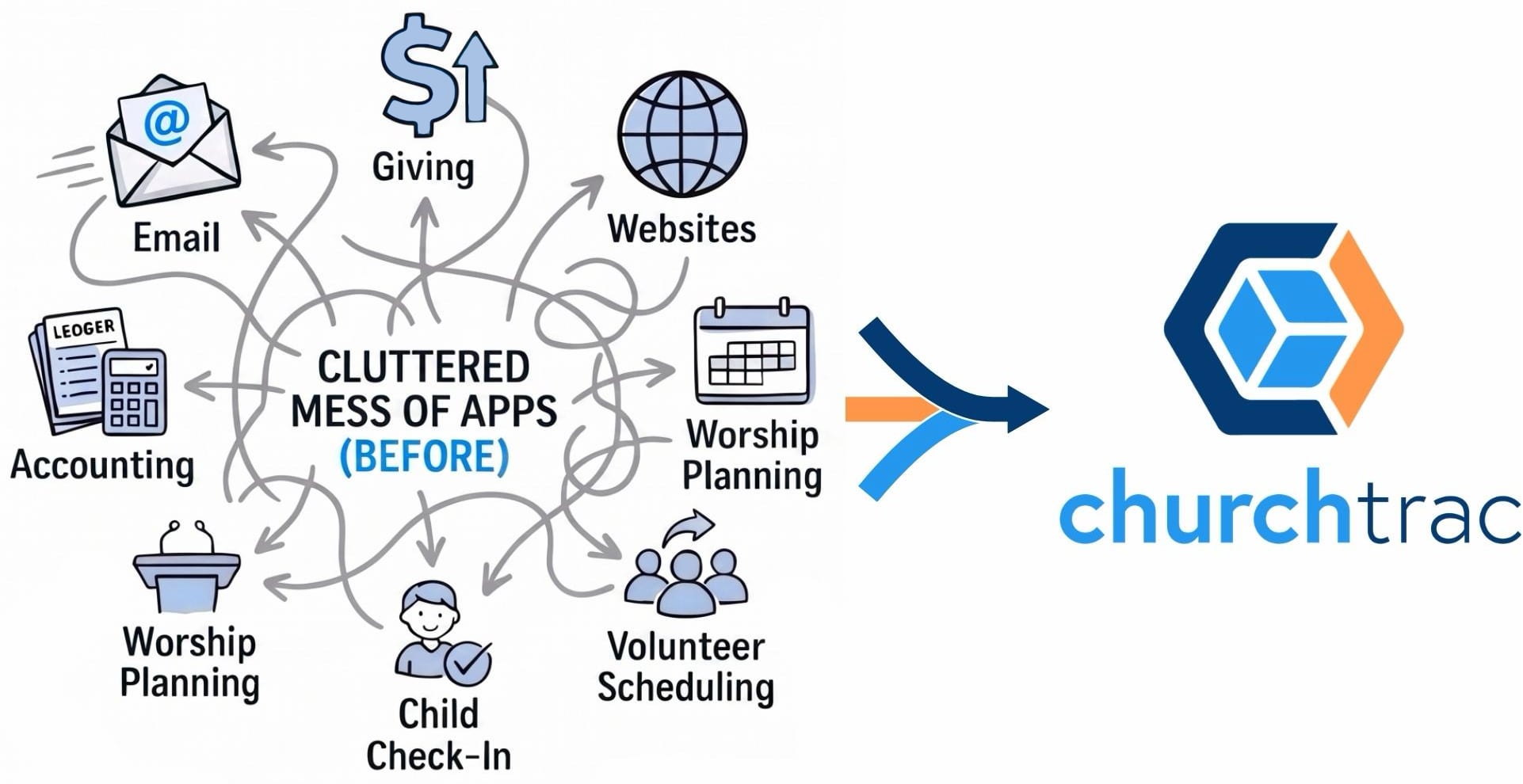
Member management
Check-In & security
Planning & scheduling
Website & App
Contributions & pledges
Accounting & budgets
Calendar & attendance
Automate admin tasks



The widespread use of PixCake crack had significant consequences for the software's developers, users, and the broader digital community:
Beyond technical hazards, software piracy carries heavy ethical and legal weight .
Here’s why, and what I can do instead:
The PixCake crack phenomenon serves as a cautionary tale about the risks and consequences of using pirated software. While cracks may seem like an attractive option, the dangers and limitations associated with them far outweigh any perceived benefits. As the digital world continues to evolve, it's essential for users to prioritize legitimate software purchases, supporting innovation and investment in future software development. By doing so, we can ensure a safer, more secure digital landscape for everyone.
Cracking software involves bypassing or disabling the licensing mechanisms that protect the software from unauthorized use. This can be done through various means, including patching, key generation, or exploiting vulnerabilities in the software. While some users may view cracking as a harmless activity, it can have serious consequences for the software developers, users, and the broader creative community.
In the world of digital art and design, software tools have become an essential part of the creative process. One such tool that gained popularity among designers and artists is PixCake, a graphic design software that promised to revolutionize the way people created and edited visual content. However, like many other software solutions, PixCake had its own set of issues, and the term "PixCake crack" became a popular search query among those looking for a workaround. In this article, we'll explore the rise and fall of PixCake, the phenomenon of software cracking, and what it means for the creative community.